
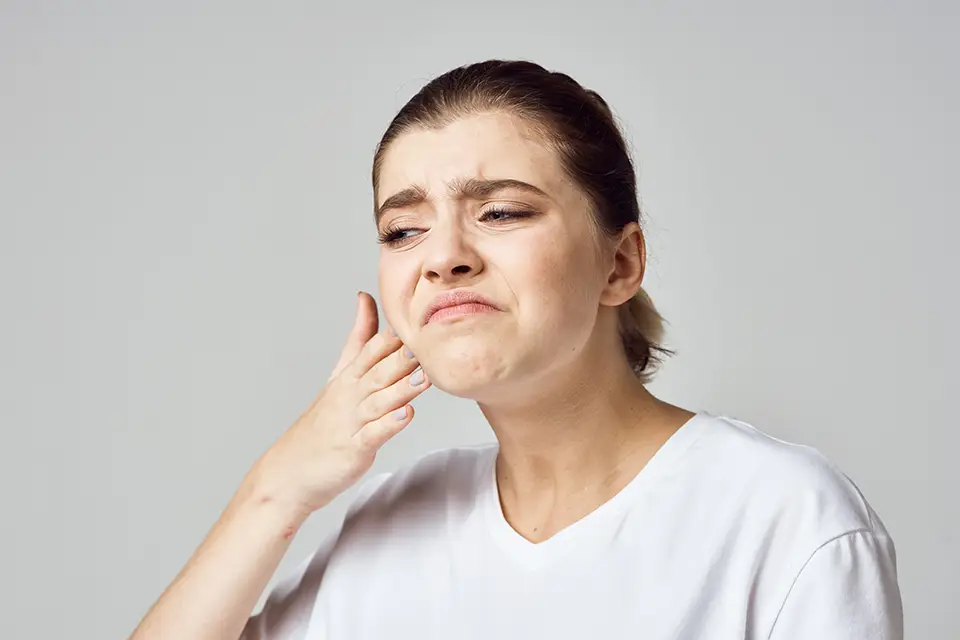
Jaw pain that won’t settle, clicks you can hear in quiet rooms, morning headaches that feel suspiciously like clenching—these are often connected, not random. This guide explains TMJ symptoms and treatment in plain language so you can recognize patterns early and choose the calmest, least invasive fix. At FIFTH ST Dental in Etobicoke, Ontario, we map bite forces, muscle habits, and lifestyle triggers to personalize care—no one-size-fits-all splints. You’ll see TMJ symptoms and treatment from both angles: what your body is telling you (sounds, stiffness, headaches) and the tiered options that relieve pain while protecting teeth and joints for the long term.
TMJ Symptoms and Treatment: What We Mean by "TMJ"
Your temporomandibular joints (TMJ) connect the jaw to the skull and work with a disc and a network of muscles. When that system is overloaded—through clenching, posture, or a structural issue—you can feel pain at the joint, in the chewing muscles, or as referred headaches. In the context of TMJ symptoms and treatment, the goal isn’t just to quiet today’s flare-up; it’s to reduce triggers so the joint and muscles stay calm while you eat, speak, and sleep.
The Most Common Signs You're Dealing with a TMJ Issue
Not every click needs urgent care, but some patterns deserve attention. Typical TMJ symptoms and treatment conversations begin with:
- Clicking or Popping: Often painless early on; may indicate disc displacement that needs monitoring.
- Locking or Limited Opening: A “stuck” sensation or difficulty yawning wide.
- Morning Jaw Fatigue or Soreness: Clenching or grinding overnight is common.
- Headaches and Ear Fullness: Pain can radiate to temples, behind eyes, or near the ear.
- Tooth Wear or Chipped Edges: Flattened cusps, hairline cracks, or gumline notches from overload.
- Neck/Shoulder Tension: Muscles recruit each other; jaw strain can ride down the chain.
If symptoms are escalating, it’s time to evaluate TMJ symptoms and treatment options rather than waiting for them to pass.
Why It Happens: Forces, Habits, and Anatomy
TMJ strain isn’t just “stress.” It’s the combination of bite contacts, muscle activity, and joint anatomy. Prolonged desk posture narrows the airway space and nudges the jaw forward. Caffeine and poor sleep increase muscle tone. Old dental work with high spots can concentrate force on a few teeth. For many patients, TMJ symptoms and treatment start by smoothing bite interferences and dialling down muscle overwork—not jumping straight to surgery.

How We Diagnose: From Questions to Evidence
A careful work-up keeps solutions targeted.
- History & Triggers: Onset, morning vs evening pain, chewing habits, gum use, nail-biting.
- Range of Motion & Sounds: Opening width, deviation, clicks or crepitus.
- Muscle Palpation: Checking tenderness at the masseters, temporalis, and neck stabilizers.
- Tooth and Bite Mapping: Photos, wear charts, and light bite paper to find high spots.
- Targeted Imaging (as needed): To assess joint space or rule out other conditions.
A clear picture means TMJ symptoms and treatment can proceed stepwise—fixing the most influential variables first.
TMJ Symptoms and Treatment: At-Home Relief You Can Start Today
Before custom appliances or in-clinic therapy, simple routines often lower the volume:
- Warm Compress & Short Stretching: 10 minutes of moist heat followed by gentle opening exercises, three times daily.
- Soft Diet for a Week: Reduce chewy breads, nuts, and tough meats; smaller bites allow healing.
- Habit Reset: Tongue on the palate, teeth apart, lips together; this “rest position” cuts clenching time.
- Caffeine & Screen Breaks: Less tone, better posture.
- OTC Support (as advised): Short courses of anti-inflammatories can calm acute flares.
These steps are the foundation of TMJ symptoms and treatment and make professional measures work faster.
Clinical Options That Actually Help (Tiered, Least-to-Most)
We build from conservative to advanced, based on your findings.
1) Precision Bite Adjustment (Micro-Refinement)
Tiny high spots from aging fillings or crowns can amplify muscle work. Selective polishing—in tenths of a millimetre—evens contacts so the jaw seats without hunting. For many, this small step changes TMJ symptoms and treatment outcomes dramatically.
2) Custom Night Guard (Stabilization or Repositioning)
A lab-made appliance redistributes load, protects enamel, and can reduce morning tightness. We choose the style (flat-plane stabilization vs. guided repositioning) according to your joint status and muscle response. Appliances are cornerstone tools in TMJ symptoms and treatment, but only when fitted and reviewed, not “one and done.”
3) Physiotherapy Collaboration
Targeted manual therapy, posture training, and home exercises for cervical and jaw muscles shorten recovery and prevent relapse. Coordinated care accelerates results.
4) Injectables for Muscle Overactivity (When Appropriate)
Therapeutic botulinum toxin can lower peak clench force in select cases. It’s adjunctive—not a first move—and we discuss pros/cons in detail.
5) Occlusal Rehabilitation or Orthodontics (Select Cases)
When tooth position or missing support is the root issue, restoring contacts or aligning teeth removes the trigger. In TMJ symptoms and treatment, we reserve this for structural causes, not routine flares.
6) Surgical Referral
Rarely needed. Considered only for persistent locking, severe structural damage, or imaging-confirmed pathology after conservative care.
TMJ Symptoms and Treatment: Timelines, Costs, and What Varies
Relief often begins within 1–3 weeks of habit changes and a properly fitted guard; full stabilization may take 6–12 weeks. Costs vary by diagnosis, appliance type, and whether physiotherapy or further dental work is indicated. We provide written estimates before non-urgent steps and explain what could change (for example, if a different guard style is needed). No guarantees—biology, sleep quality, and adherence affect speed and success—but staging keeps TMJ symptoms and treatment predictable and budget-aware.

Prevention and Long-Term Care
Once pain settles, keep the gains. Wear your appliance as directed, replace it when it loosens, and maintain dental work so no new high spots sneak in. Continue brief heat and stretch sessions during stressful weeks. Practice the jaw rest position, and set posture reminders during long desk sessions. Prevention turns acute TMJ symptoms and treatment into durable comfort.
Local Advantage with FIFTH ST Dental, Etobicoke
You’ll get a plan that fits your life: short visits, precise adjustments, and clear home routines. We coordinate with trusted physiotherapists and review appliances over time so benefits don’t fade. Most importantly, we tailor TMJ symptoms and treatment to your goals—quiet mornings, easier meals, fewer headaches—so improvements show up in real daily moments, not just in a chart.
Conclusion
Jaw issues thrive on guesswork; they improve with structure. A careful exam, small bite refinements, a guard that actually fits, and simple daily habits can dial down pain and protect your teeth and joints. If you’re ready for a practical approach to TMJ symptoms and treatment, book a focused assessment at FIFTH ST Dental in Etobicoke. We’ll pinpoint triggers, stage care from conservative to advanced only if needed, and give you the tools to keep your jaw calm for the long haul.
FAQs — TMJ Symptoms and Treatment
How do I know if my jaw click is serious?
A painless, occasional click isn’t always urgent. If it’s paired with locking, pain, or limited opening, schedule an evaluation so we can prioritize TMJ symptoms and treatment before things escalate.
Will a night guard cure TMJ problems?
A guard often reduces muscle load and protects teeth, but it works best alongside habit changes, bite refinements, and—when appropriate—physiotherapy. Think of it as a key part of TMJ symptoms and treatment, not the only part.
Can stress alone cause my symptoms?
Stress raises muscle tone, but bite interferences, posture, sleep quality, and airway factors usually contribute. We address the mix, not just one variable, so relief lasts.
How long until I feel better?
Many patients notice improvement within one to three weeks with the right appliance and home routine. Complex cases may take longer; we set expectations and adjust the plan if progress stalls.