
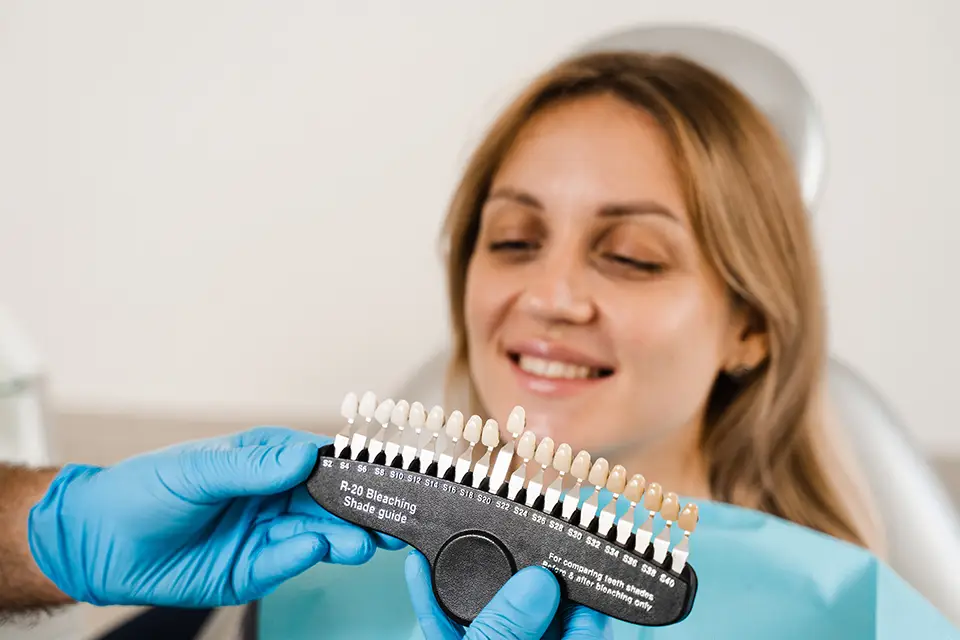
If you are comparing the pros and cons of veneers, you are likely trying to answer two practical questions: will veneers look natural on your smile, and what do you give up to get that result? Dental veneers are thin restorations bonded to the front of teeth to improve colour, shape, and symmetry, but they are not a one-size-fits-all solution. In many cases, planning includes bite checks, gum health review, and shade selection so the final result fits your face and lasts.
In this guide, we break down the pros and cons of veneers with clear factors that affect longevity, sensitivity risk, and maintenance. You will also learn how porcelain veneers compare with composite options, what can change the fee in Canada, and when bonding or whitening may be the better first step.
Pros and Cons of Veneers: The Quick Answer
The pros and cons of veneers come down to aesthetics versus commitment. Dental veneers can deliver a highly natural look, improve tooth shape and symmetry, and help cover stubborn discolouration, especially with porcelain veneers. Many patients also like that the results are predictable once the shade and contours are planned.
The trade-offs matter. Some cases require enamel reduction, which can make veneers hard to reverse, and temporary sensitivity is possible. Veneers can chip or debond if you bite hard objects or grind your teeth, so a night guard may be recommended. Costs also vary by material, number of teeth, and bite factors.
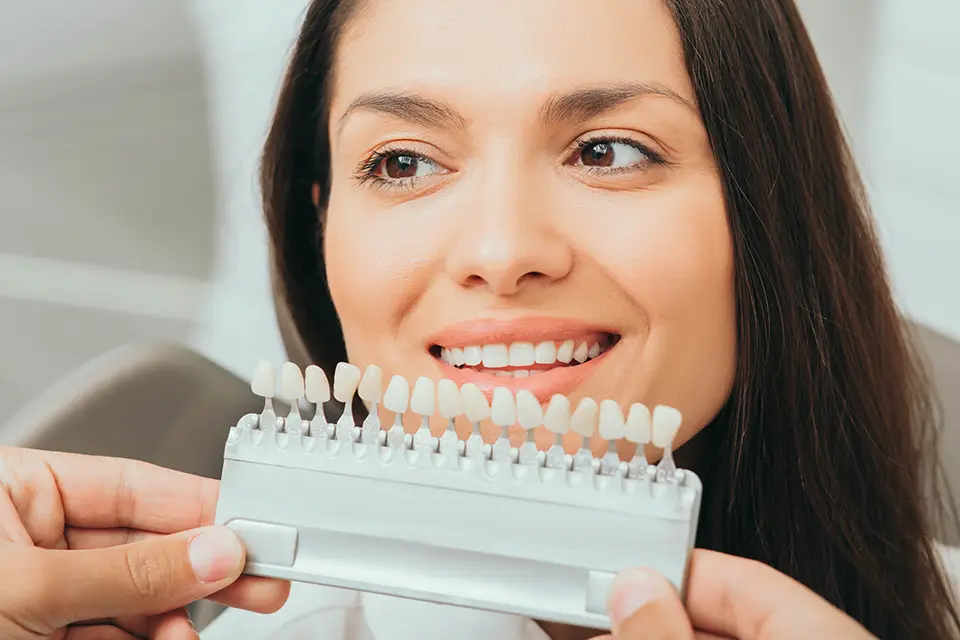
Porcelain vs Composite Veneers: Which Is Right For You?
When you compare the pros and cons of veneers, think about how much control you want over the final look and how your teeth handle daily wear. Porcelain veneers are crafted in a lab after detailed photos or digital scans, which helps fine-tune translucency and edge shape for a lifelike finish. They often suit patients who want a consistent shade across multiple front teeth.
Composite veneers are built chairside using tooth-coloured resin, so small tweaks can be made in real time during your veneer consultation. They can be a practical choice for minor reshaping, quick repairs, or when you prefer a more flexible option that can be adjusted later, especially if your bite or habits need careful monitoring.
The Pros: Why Patients Choose Veneers
People usually choose veneers for one simple reason: they want a smile that looks cleaner and more balanced, without it screaming “work done.” When you’re weighing the pros and cons of veneers, the main advantage is control. Dental veneers let your dentist fine-tune small details, like the length of front teeth, the way light reflects off enamel, and how the edges line up when you talk or laugh.
- Smooth out small chips and worn edges that catch your eye in photos.
- Improve tooth shape and symmetry when one or two teeth look narrower or shorter.
- Mask deep staining that may not lift with whitening, especially with porcelain veneers.
- Close minor spacing in select cases, while keeping the result natural-looking.
- Create a more consistent smile line, planned around your bite and gum levels.
The Cons: The Trade-Offs to Know First
Before you commit, the pros and cons of veneers are worth viewing through a long-term lens, not just a before-and-after photo. Many veneer cases involve enamel reduction, which means the decision may be difficult to reverse, and future maintenance should be expected.
- Temporary tooth sensitivity can happen, especially with hot or cold drinks.
- Veneers can chip or debond if you bite hard items or if you clench and grind.
- A night guard may be recommended to protect your investment while you sleep.
- Fees vary by material and case complexity, and cosmetic work is not always covered.
How Long Do Veneers Last, And How Do You Protect Them?
Veneers are not “set it and forget it.” With normal wear and good home care, porcelain veneers can last for years, but your bite and habits matter as much as the material. When you look at the pros and cons of veneers, the biggest factor you control is day-to-day protection.
Treat them like real teeth. Brush and floss consistently, stay on schedule for cleanings, and skip hard chewing, like ice, pens, or brittle candy. If you clench or grind at night, a night guard can protect the edges and reduce the risk of chips or loosening.
Veneers Cost in Canada: A General Range And Why It Varies
In Canada, the cost of veneers is usually discussed per tooth. A reasonable, general ballpark is roughly $900 to $2,500 for each veneer, but that number can move up or down once you’re actually examined. When patients weigh the pros and cons of veneers, pricing often comes down to the material selected, how many teeth are in the smile zone, your bite and grinding risk, and whether you need added planning or temporaries to keep things comfortable and predictable.
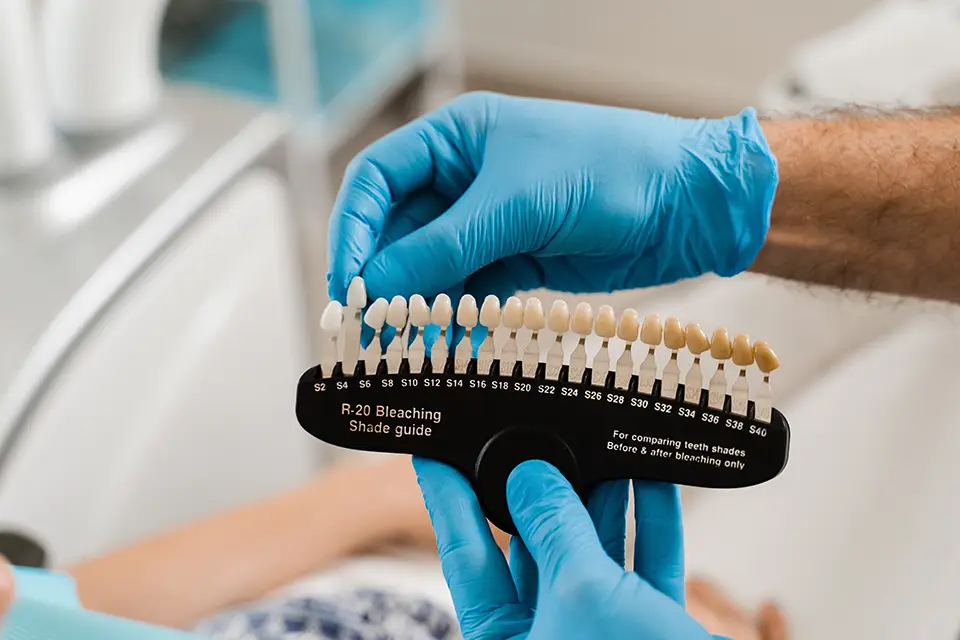
Pros and Cons of Veneers: Alternatives to Veneers (And When They're Smarter)
Before deciding on veneers, it helps to review options that may solve the same problem with less commitment. If your main concern is colour, professional whitening may be the simplest first step. For small chips or minor gaps, dental bonding can reshape teeth quickly. If a tooth is heavily filled or weakened, a crown may be safer. For spacing or bite-driven concerns, clear aligners can deliver a more stable foundation before cosmetic work.
Conclusion: Balancing the Pros and Cons of Veneers
Veneers can be an excellent choice when the goal is a natural-looking change, and your teeth and gums are healthy enough to support it. The smart decision comes from understanding your bite, your habits, and what you are willing to maintain long-term. When you review the pros and cons of veneers, the best plan is the one that fits your smile, not a template.
To get clear, case-specific guidance, book a veneer consultation at FIFTH ST Dental, 2860 Lake Shore Blvd W, Etobicoke, ON M8V 1H9.
FAQs
Are veneers permanent?
Veneers are designed to be long-lasting, but they are not “forever.” In many cases, placing veneers involves enamel reduction, which means you will likely need future replacement at some point, depending on wear and bite forces.
Do veneers ruin your teeth?
Veneers do not “ruin” healthy teeth when planned properly, but they do change them. A careful exam checks gum health, bite, and decay risk so the bond strength is reliable and the result stays comfortable long term.
How many veneers do I need?
Some patients only need one or two, while others treat the visible smile zone for a balanced look. The right number depends on tooth display, shade goals, and symmetry, not a standard package.
Can I get veneers if I grind my teeth?
Yes, sometimes, but grinding raises the risk of chipping or debonding. A custom night guard and bite planning help protect the investment.
What are the biggest pros and cons of veneers for sensitive teeth?
Sensitivity can be temporary, especially after prep. Your dentist can recommend conservative preparation, desensitizing care, and material choices that suit your comfort.