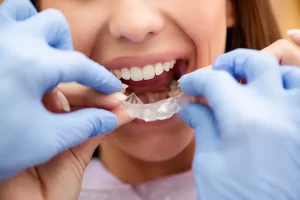

If you have dental surgery coming up, the most stressful part is often the unknown. A quick search can leave you with conflicting advice, especially when your procedure, your health history, and your medications are not the same as anyone else’s. In this guide, you will learn how to prepare for dental surgery in a practical way, from the questions to ask at your pre-op visit to the small details that make recovery easier.
At FIFTH ST Dental in Etobicoke, we build every plan around your medical history and the type of treatment you are booked for, whether that involves local anesthetic or sedation. If you are looking up how to prepare for dental surgery, you will find clear, safety-first steps that reduce surprises, support healing, and tell you when it is smart to call the clinic for advice.
How to Prepare for Dental Surgery (Pre-Op Checklist That Actually Helps)
Most last-minute problems happen because one small detail was never confirmed. This checklist keeps your plan specific, safe, and easy to follow, and it shows how to prepare for dental surgery without guessing or relying on generic tips.
- Confirm the exact procedure and whether you will have local freezing, oral sedation, or IV sedation.
- Bring a current list of medications and supplements, including blood thinners, diabetes medications, and herbal products.
- Ask what you should do if you catch a cold, miss a dose, or feel anxious, and who to contact for same-day advice.
- If sedation is planned, arrange a ride and a responsible adult, and block recovery time in your schedule.
- Set up simple aftercare at home, including soft foods, easy-to-grab fluids, and a calm space to rest.
Medication and Supplement Plan (What to Take, Pause, and Avoid)
Medication planning is one of the most important parts of preparing for a dental surgery, because it affects bleeding risk, healing, and sedation safety. Bring an up-to-date list of every prescription, over-the-counter product, and supplement you take, including vitamins, herbal products, and fish oil. This lets your dentist confirm what is safe for your specific oral surgery plan.
Do not stop prescription medications on your own, especially blood thinners or diabetes medications, unless your dentist and prescribing clinician give clear instructions. Avoid alcohol before and after treatment, and follow pain medicine directions exactly. If antibiotics are prescribed, take them as directed and report unexpected side effects quickly. When in doubt, call for same-day guidance.

Eating, Drinking, and Fasting Rules (Especially with Sedation)
Food and drink rules are not the same for everyone, and they can change depending on whether you are booked for local freezing or any form of sedation. If you are only having a local anesthetic, many patients do better with a light meal beforehand, because going in hungry can make you feel shaky. If oral sedation or IV sedation is planned, your dentist will give specific fasting instructions, and those instructions matter for safe sedation and a smoother appointment. Follow the written plan you receive, even if a friend had different rules for a similar procedure.
If you are double-checking how to prepare for dental surgery, call the clinic the day before and confirm what is permitted, including water, coffee, and medications. If you accidentally eat or drink when fasting is required, contact us for same-day guidance so we can keep your care safe.
Surgery Day: What to Bring, What Happens, and How Long It Usually Takes
The easiest surgery days are the ones with no scrambling. Bring photo ID, your medication list, and any insurance details you plan to use. If you will be sedated, come with a responsible adult who can stay reachable and drive you home. A small detail that helps is dressing in comfortable layers, because you may feel warm or cool during treatment. Knowing how to prepare for dental surgery also means leaving jewellery and other valuables at home.
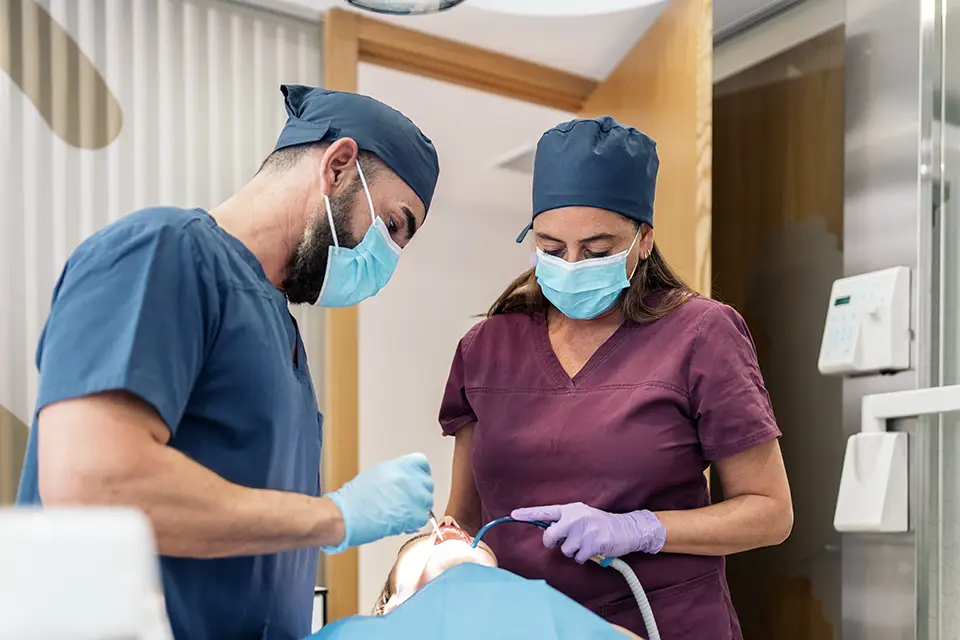
At the clinic, you will check in, review consent, and confirm any changes to your health or medications. Once local freezing or sedation starts, most patients notice pressure and movement, not sharp pain, and you can raise a hand if something feels off. Timing varies, but you will leave with written aftercare steps and a follow-up plan.
How to Prepare for Dental Surgery: Recovery Timeline and Aftercare (First 24 Hours to One Week)
Most recoveries go smoothly, but the first week feels easier when you know what is normal and what is not. Use this timeline as a practical guide, then follow the instructions you were given for your specific procedure.
First 24 hours
Plan to rest. Mild bleeding or pink saliva can happen, and soreness is expected. Keep your head slightly raised, take your medications exactly as directed, and stick with cool, soft foods. Avoid smoking or vaping, because it can disrupt early healing and increase risk.
Days 2 to 3
Swelling and stiffness often peak and then start to settle. Keep meals gentle, drink plenty of fluids, and maintain careful oral hygiene as instructed. If pain suddenly increases or you notice a bad taste with worsening swelling, call for same-day guidance.
Days 4 to 7
Energy usually improves, and you can ease back into your routine. When you plan how to prepare for dental surgery, build in a lighter week, since recovery varies with complexity and individual healing.
Warning Signs After Dental Surgery (When to Call the Dentist Right Away)
If something feels “off” after oral surgery, trust your instincts and call. Knowing how to prepare for dental surgery includes understanding which symptoms need prompt dental advice, especially in the first week.
- Bleeding that stays heavy after firm pressure, or large clots.
- Fever, chills, or swelling that keeps increasing after initial improvement.
- New, worsening pain with a bad taste or drainage, which may signal infection risk.
- Rash, wheezing, or trouble breathing after medication, which can be a serious reaction.
- Persistent numbness, severe nausea, or vomiting after sedation.
Cost and Insurance in Ontario (What Affects Your Final Price)
Costs for oral surgery in Ontario are not one-size-fits-all. A simpler procedure may start around a few hundred dollars, while a more involved surgery can cost more, depending on what is required on the day. Fees are determined by the procedure itself, the number of teeth or sites, imaging, materials, and whether sedation is included. Insurance reimbursement can also change based on your policy limits and the procedure code. The best way to avoid surprises is a clinical assessment followed by a written treatment plan with clear options.
Conclusion: How to Prepare for Dental Surgery and Book Your Assessment
When you know how to prepare for dental surgery, the day feels calmer, and your recovery is usually smoother. Your best next step is a pre-op visit that reviews your health history, medications, and sedation needs, then confirms clear aftercare instructions. If you are still searching for how to prepare for dental surgery, book an assessment at FIFTH ST Dental in Etobicoke. We will provide a personalized plan and a written checklist you can follow with confidence.
FAQs
How far in advance should I plan how to prepare for dental surgery?
Start 3 to 7 days ahead so you can review medications, arrange a ride if sedation is planned, and set up soft foods for recovery.
Can I go back to work the next day?
Many patients can, but it depends on the procedure, sedation, and your job demands. Ask for a recovery timeline that fits your case and plan time off if needed.
What should I do if I forget fasting instructions?
Call the clinic before your appointment for same-day guidance and safe sedation planning.