
Noticing a sore, patch, or lump in your mouth can feel unsettling, especially when you start searching for oral cancer symptoms and see long lists that do not explain what truly matters. In real life, the key issue is persistence. A mouth change that does not improve, keeps returning, or gradually worsens deserves a professional look, even if it is not painful. This guide breaks down early warning signs in plain terms, so you know what to monitor and what should prompt an exam.
Because early oral cancer screening can be quick and reassuring, it helps to understand the most common red flags, the two-week timeline many clinicians use, and how risk factors like tobacco, alcohol, and HPV can change your urgency. The goal is early detection and a clear plan, not guesswork.
Oral Cancer Symptoms: A 30-Second Self-Check
Use a mirror and good light. Check lips, gums, cheeks, tongue, and under the tongue for oral cancer symptoms such as a sore that will not heal, a red or white patch that persists, or a new lump. With clean fingers, feel for thickening, new tenderness, or numb spots, and note a tooth that feels loose or a denture that suddenly fits poorly. Snap a quick photo to track changes. If anything lasts beyond two weeks, book an oral cancer screening.

Early Oral Cancer Symptoms You Shouldn't Ignore
Sometimes oral cancer symptoms start quietly. They are not always dramatic, and they are not always painful. What matters most is whether a change sticks around, keeps coming back, or slowly worsens. If something in your mouth feels “off” for more than a couple of weeks, it is worth getting checked rather than hoping it fades on its own.
Visible changes that do not settle
Keep an eye on a sore that will not heal, a red or white patch that stays put, or a rough spot that keeps catching your tongue. A new lump, thickened area, or spot that bleeds with light brushing can also be a concern. These oral cancer symptoms are easier to take seriously when you track them. A quick photo every few days can help you notice real changes, not just worry.
Changes in how things work
Pay attention if chewing feels awkward, swallowing feels tight, or your tongue and jaw do not move as freely as usual. Ongoing hoarseness, a one-sided sore throat feeling, or pain that seems to radiate toward the ear can also show up with oral cancer symptoms. These function changes are often the clue people miss because they creep in gradually.
Dentures, teeth, and the neck
If a denture suddenly fits poorly, a tooth feels loose without a clear reason, or you notice new jaw pressure, do not ignore it, especially if other oral cancer symptoms are present. Also, feel for a persistent neck lump or swelling that does not go down. An oral cancer screening is a straightforward way to get answers and a clear plan, without guessing.
The Two-Week Rule: When to See a Dentist
If you are unsure, use the two-week rule. When oral cancer symptoms such as a mouth sore, a red or white patch, or a new lump do not improve after about two weeks, it is time to book a dental exam. Do not wait if swallowing becomes difficult, your voice stays hoarse, bleeding starts without a clear cause, or you feel a neck lump. Bring a short timeline and a couple of photos so your dentist can see how the area has changed and decide on the safest next step, including an oral cancer screening if needed.
Oral Cancer Symptoms: Common Look-Alikes (That Still Deserve a Check)
Many issues can mimic oral cancer symptoms, which is why persistence matters. Canker sores, irritation from a sharp tooth or denture edge, fungal infections, cold sores, and bite trauma can all cause ulcers, redness, or tenderness. A blocked salivary gland may feel like a small lump, and inflammation can create temporary white patches. Still, anything that lasts beyond two weeks, bleeds easily, or keeps recurring deserves a proper exam and clear guidance, not guesswork.
Oral Cancer Screening: What to Expect at the Dentist
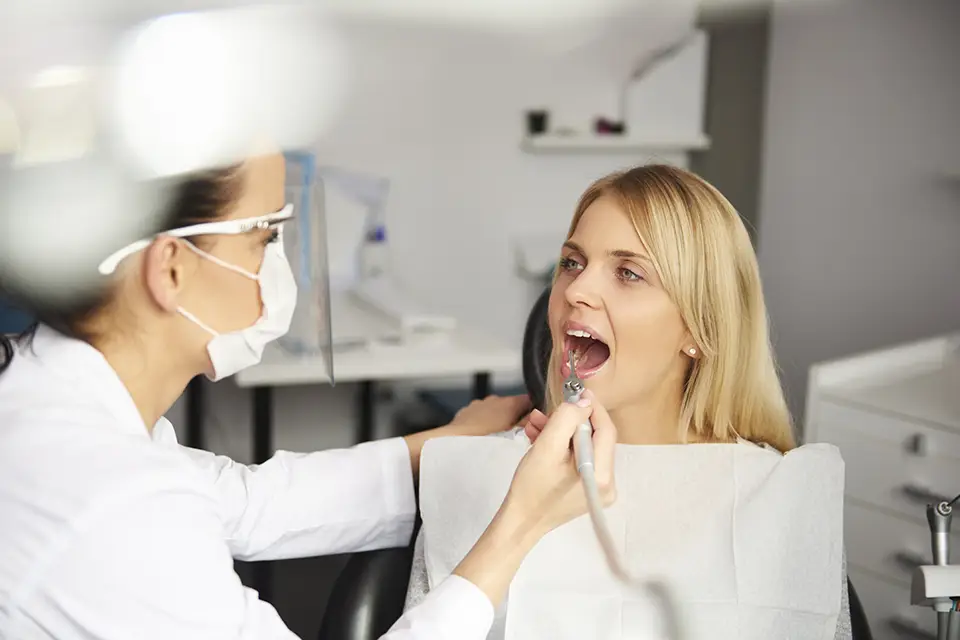
An oral cancer screening is usually quick and straightforward. Your dentist will look closely at your lips, cheeks, gums, tongue, and the floor of the mouth, then gently feel the tissues and your neck for unusual lumps. If an area looks suspicious or matches persistent oral cancer symptoms, you may be asked to return for a recheck, or you could be referred for further testing, such as a biopsy. The goal is early clarity and safe next steps.
Risk Factors That Lower the "Wait and See" Threshold
If any risk factor applies, it is smart to treat persistent oral cancer symptoms with extra urgency and book an exam sooner, not later. Two points can be true at once: most mouth changes are benign, and risk can shift the timeline toward early detection and professional assessment.
- Current or past tobacco use, including vaping and smokeless products
- Frequent or heavy alcohol use, especially combined with tobacco
- Prior HPV exposure is linked to some throat and mouth cancers
- Significant sun exposure raises the risk for lip changes
- A personal history of oral lesions or a close family history of head and neck cancer
Oral Cancer Symptoms: Prevention Tips That Actually Help
Prevention is mostly about lowering risk and staying alert to changes, so oral cancer symptoms do not get brushed off as “nothing.” A few realistic habits go a long way, especially when they are consistent and tied to regular checkups and early detection.
- If you smoke, set a quit plan and ask your dentist or pharmacist about proven supports
- Keep alcohol moderate, and avoid pairing frequent drinking with tobacco
- Use an SPF lip balm outdoors, and take persistent lip sores seriously
- Book routine dental exams, since screening can be part of a standard visit
- Ask your healthcare provider whether HPV vaccination is appropriate for you
- Do a simple monthly self-check, and track any spot that lasts longer than two weeks
Book an Oral Cancer Screening in Etobicoke at Fifth St Dental
If you are seeing oral cancer symptoms such as a sore that will not heal, a red or white patch that keeps returning, or a new lump you cannot explain, it is worth getting a professional opinion. An oral cancer screening is a straightforward way to get clarity and a plan. You can book with FIFTH ST Dental, 2860 Lake Shore Blvd W, Etobicoke, ON M8V 1H9, Canada. We will listen, examine the area carefully, and walk you through the next steps with calm, respectful care.
FAQs: Oral Cancer Symptoms
Can a dentist diagnose oral cancer during a routine visit?
A dentist can identify suspicious oral cancer symptoms and perform an oral cancer screening, then recommend monitoring or referral for definitive testing if needed.
Are oral cancer symptoms always painful?
No. Early changes can be subtle, including persistent patches, numbness, or a sore that does not heal, even with no pain and normal eating.
Should I stop using mouthwash if I have a sore?
Avoid harsh products that sting. Use a gentle rinse, keep the area clean, and book an exam if it lasts beyond two weeks for proper assessment and clear guidance.