
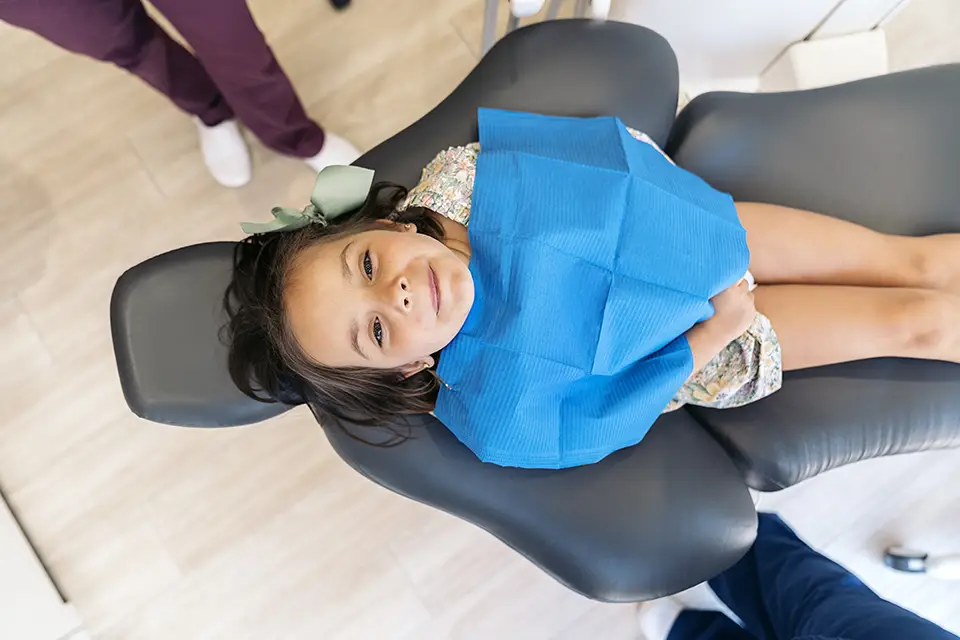
If you’re searching for a children’s dentist Etobicoke, you likely want two things at once: clinically precise care and a calm chairside manner that makes visits feel easy. At FIFTH ST Dental in Etobicoke, Ontario, our approach blends prevention, age-appropriate techniques, and clear guidance for parents, so first experiences set the tone for a lifetime of healthy habits. This guide explains how a children’s dentist Etobicoke plans care by age and risk, what actually happens at each visit, and how to keep little smiles comfortable between appointments. You’ll find practical timelines, costs-influencing factors (without making promises), and what to do if your child is anxious, has special health considerations, or needs treatment beyond routine cleanings.
What a First Visit Looks Like (Short, Calm, and Useful)
The first appointment is deliberately brief. We count teeth, check the bite and gums, and assess habits like thumb-sucking or extended bottle use. Parents stay close—often knee-to-knee—so kids feel secure. We end with a simple plan: brushing angles, toothpaste amounts by age, and snack routines that truly fit family life. This foundational visit with a children’s dentist Etobicoke turns “the dentist” into a normal place, not a test.
Children's Dentist Etobicoke: Age-Based Care That Grows with Your Child

We tailor prevention and treatment to the stage, not just the calendar.
- Infants & Toddlers (0–3): First visit by first tooth or age one. Coaching focuses on wiping/ brushing routines, bottle/soother guidance, and early enamel checks.
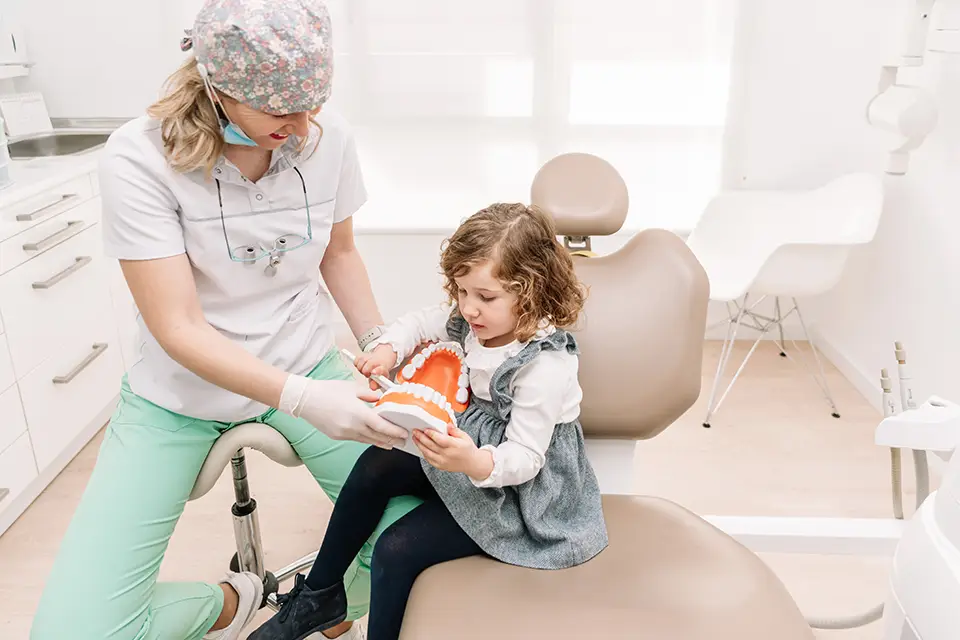
- Preschool (3–5): Short, fun cleanings, fluoride varnish as indicated, and cavity-risk coaching. We introduce simple “show-tell-do” language so tools aren’t scary.
- School-Age (6–11): Sealants for deep grooves, space monitoring, and coaching on independence while parents still do quality control at night.
- Early Teens (12+): Hygiene around braces or aligners, sports mouthguards, and honest conversations about snacking, sipping, and screen-time mouth breathing.
By pacing skills this way, a children’s dentist Etobicoke keeps appointments efficient and meaningful.
Gentle Techniques That Build Trust
We use light, descriptive language (“we’re counting teeth,” “we’re painting vitamins”) and introduce one new step per visit. For sensitive kids, we split care into small wins, add a topical anesthetic early, and use distraction and breathing cues. For treatment, we prioritize minimally invasive options and avoid rushing—because trust today makes every future visit smoother.
Children's Dentist Etobicoke: Preventive Basics That Actually Work
A few well-chosen tools do most of the heavy lifting.
- Fluoride Varnish: Quick to apply; helps newly erupted enamel harden against acids.
- Fissure Sealants: Thin coatings on molar grooves to block food and bacteria in high-risk kids.
- Custom Home Plan: Electric brush for older kids, interdental picks where contacts touch, and a pea-sized amount of fluoride toothpaste after age three.
- Snack Strategy: Sweets with meals, water between—less “all-day grazing,” fewer acid attacks.
When families follow these basics from a children’s dentist Etobicoke, decay risk drops fast.
Managing Anxiety and Special Health Needs
We meet kids where they are—attention span, sensory profile, and medical history included.
- Predictable Routines: Same order, same phrases, and clear “what happens next.”
- Desensitization Visits: Extra short visits to rehearse a new step before the “real thing.”
- Comfort Aids: Headphones, sunglasses, and weighted lap blankets on request.
- Behaviour Guidance: Tell-show-do, modelling, and positive reinforcement; parents remain part of the plan.
- Medical Coordination: For asthma, diabetes, neurodiversity, or cardiac considerations, we coordinate with your pediatrician for safe, smooth care.
This framework helps a children’s dentist Etobicoke deliver precise treatment without pressure.
Children's Dentist Etobicoke: Cavity Care, Pulp Therapy, and When to Treat
Primary teeth matter for speech, nutrition, and guiding adult teeth into position. When treatment is needed, we explain the “why” and the “how” in plain language.
- Small Cavities: Minimally invasive fillings placed with isolation and gentle anesthesia.
- Deep Decay (Baby Root Canal/Pulpotomy): Removes inflamed tissue to save a restorable tooth until it naturally exfoliates.
- Crowns on Baby Molars: Durable coverage for multi-surface decay, especially in high-risk mouths.
- Extractions: Reserved for non-restorable teeth; we manage space to protect adult-tooth paths.
Thoughtful timing with a children’s dentist Etobicoke avoids emergencies and protects developing bites.
Orthodontic Watchpoints: When Spacing Becomes a Plan
Early spacing is normal; persistent crowding, crossbites, or open-mouth posture may cue an earlier orthodontic assessment. We track growth, habits (thumb sucking, mouth breathing), and eruption sequence. Where appropriate, we recommend interceptive steps—habit appliances, limited expansion, or timing guidance—to simplify later treatment.
Mouthguards, Sports, and Everyday Protection
For active kids, custom or well-fitted boil-and-bite guards protect teeth and soft tissues. We also discuss nighttime clenching, offer gentle options to protect enamel, and remind families that helmets and mouthguards go together for wheels, sticks, and balls. A practical plan from a children’s dentist Etobicoke keeps smiles safe without complicating routines.
What Influences Time and Cost (No Guarantees—Just Clarity)
Fees and timelines vary by the child’s age, cooperation, cavity risk, and the extent of any treatment. Preventive-only visits are quickest and most economical; fillings, crowns, or pulpotomies extend chair time. We provide written estimates, stage care sensibly, and keep options transparent. Often, the least expensive path is consistent prevention with a children’s dentist Etobicoke—fewer surprises, fewer long appointments.
Children's Dentist Etobicoke: Home Habits That Stretch Results
- Twice-Daily Brushing: Parent “finisher” role until at least age eight to ten; kids start, adults perfect.
- Floss Where Teeth Touch: Sticks or flossers are fine—consistency wins.
- Water as the Default: Especially after sports drinks, juice, or a café stop.
- Bedtime Rules: Brush and then nothing but water; nighttime snacking is a fast track to decay.
- Six-Month Rhythm (or Tighter): High-risk kids may need 3–4 month intervals until scores improve.
These small habits keep visits with your children’s dentist Etobicoke short and positive.
Why FIFTH ST Dental (Etobicoke)
We blend clinical precision with a warm, child-centred approach: short visits, consistent language, and clear coaching parents can use that same evening. You’ll leave with photos, practical tips, and a plan that respects school, sports, and nap schedules—backed by the steady support of a children’s dentist Etobicoke team that knows your child by name.
Conclusion
Great pediatric dentistry is quiet, steady prevention with prompt, gentle treatment when needed. By starting early, keeping habits simple, and pacing each new step thoughtfully, children learn that the dental chair is a safe, ordinary stop in their week. If you’re ready for care designed around comfort, biology, and family reality, book a visit with FIFTH ST Dental—your trusted children’s dentist Etobicoke. We’ll count teeth, coach routines, and build a plan that protects growing smiles with the least fuss possible under the guidance of an experienced children’s dentist Etobicoke team.
FAQs — Children's Dentist Etobicoke
When should my child first see the dentist?
By the first tooth or around the first birthday. Early, short visits establish good habits and let us personalize prevention with your children’s dentist, Etobicoke team.
How much toothpaste should we use?
A smear (rice-grain size) from eruption to age three; a pea-sized amount after age three. Parents should still help or “finish” brushing well into the school years.
Do baby teeth really need fillings if they'll fall out?
Yes. Untreated decay can cause pain, infection, and spacing problems. Restoring or protecting a tooth helps chewing, speech, and guides adult teeth correctly—work we plan carefully as a children’s dentist Etobicoke.