
Add Your Heading Text Here
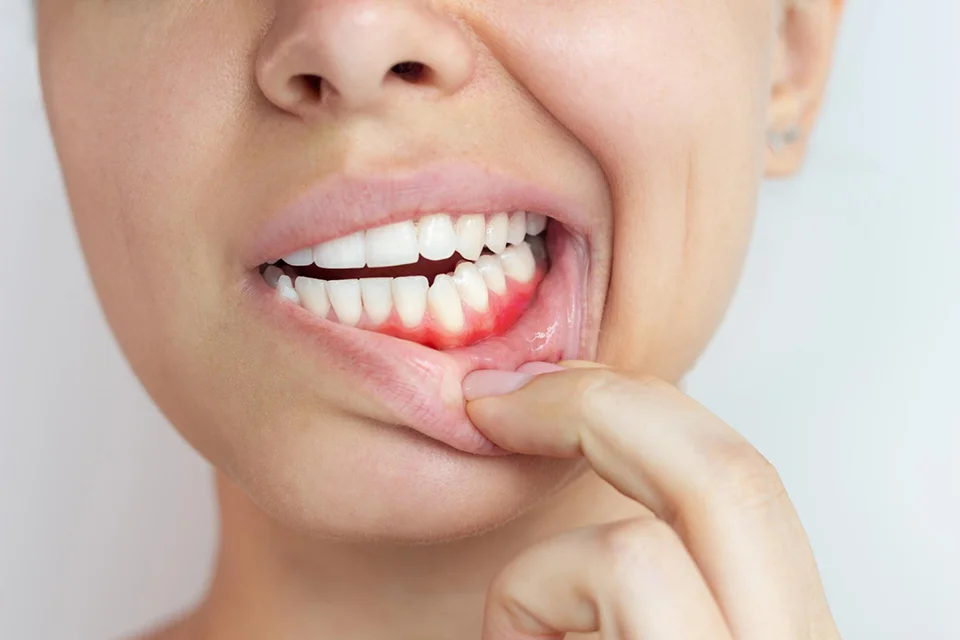
If you notice blood when you brush or floss, it can feel alarming. Many patients in Etobicoke mention this during routine visits, often wondering if they are brushing too hard or using the wrong toothbrush. As a dentist, I can tell you that bleeding gums are common, but they are not something to ignore. In most cases, your gums are trying to tell you that something needs attention.
Let’s walk through the real reasons this happens, what it means for your oral health, and what you can do about it.
What Healthy Gums Should Look and Feel Like
Healthy gums are usually firm, pale pink, and do not bleed when you brush or floss. You should not feel tenderness or swelling along the gumline. If your gums bleed regularly, even a little, it is often a sign that inflammation is present.
Many patients assume a small amount of bleeding is normal. It is not. Even minor bleeding is your body’s way of signaling irritation or infection.
The Most Common Cause of Bleeding Gums
The number one cause of bleeding gums is plaque buildup along the gumline. Plaque is a sticky film of bacteria that forms on your teeth throughout the day.
When plaque is not removed properly, it irritates the gums and leads to a condition called gingivitis. This is the earliest stage of gum disease and is very common among adults.
Some signs of gingivitis include:
- Red or swollen gums
- Bleeding when brushing or flossing
- Bad breath that does not go away
- Tenderness along the gumline
The good news is that gingivitis is reversible with proper care and professional cleanings.
Other Reasons Your Gums May Be Bleeding
While plaque is the most common cause, it is not the only one. There are several other factors that can contribute to bleeding gums.
Brushing Too Aggressively
Using too much force or a hard-bristled toothbrush can irritate your gums. Many people think brushing harder means cleaner teeth, but this can actually damage gum tissue.
Flossing After a Long Break
If you have not flossed regularly and suddenly start again, your gums may bleed at first. This usually improves within a few days as your gums become healthier.
Hormonal Changes
Hormonal fluctuations, especially during pregnancy, can make gums more sensitive and prone to bleeding.
Medications
Certain medications, such as blood thinners, can increase the likelihood of bleeding gums.
Vitamin Deficiencies
A lack of vitamins like vitamin C can weaken gum tissue and lead to bleeding.
If you are unsure what is causing your symptoms, a dental exam can help identify the exact issue.

When Bleeding Gums Become a Bigger Concern
If gingivitis is left untreated, it can progress into periodontitis. This is a more serious form of gum disease that can damage the bone supporting your teeth.
At this stage, you may notice:
- Persistent bleeding
- Receding gums
- Loose teeth
- Changes in your bite
Periodontitis requires more advanced treatment, so early detection is very important. Many patients in Etobicoke are surprised to learn that gum disease can progress without significant pain, which is why regular checkups matter.
How to Stop Your Gums from Bleeding
The good news is that most cases of bleeding gums can be improved with simple changes to your daily routine.
Here are some practical steps you can take:
- Brush twice a day using a soft-bristled toothbrush
- Use gentle, circular motions instead of aggressive scrubbing
- Floss daily to remove plaque between teeth
- Rinse with an antibacterial mouthwash if recommended
- Visit your dentist regularly for cleanings and exams
Consistency is key. Your gums will not improve overnight, but with proper care, you should start to notice less bleeding within a week or two.
Professional Treatment Options
If home care is not enough, professional treatment may be needed. At a dental clinic in Etobicoke, we often recommend:
- Professional dental cleaning to remove plaque and tartar
- Deep cleaning (scaling and root planing) for more advanced cases
- Personalized oral hygiene instructions based on your needs
Every patient is different, so treatment is tailored to your specific condition.
The Role of Regular Dental Visits
Routine dental visits are one of the most effective ways to prevent gum problems. Even if your teeth feel fine, plaque and tartar can build up in areas that are hard to reach at home.
During your visit, your dentist will:
- Check the health of your gums
- Measure gum pockets to detect early disease
- Remove hardened plaque that brushing cannot eliminate
Many patients in Etobicoke find that regular cleanings significantly reduce gum bleeding and improve overall oral health.
Simple Daily Habits That Make a Big Difference
Sometimes small changes can have a big impact on your gum health.
Consider these habits:
- Replace your toothbrush every three months
- Stay hydrated to support saliva production
- Avoid smoking, which can worsen gum disease
- Eat a balanced diet rich in vitamins
These everyday choices support healthier gums and reduce inflammation over time.
When Should You See a Dentist?
If your gums bleed occasionally but improve with better brushing and flossing, it may not be urgent. However, you should book an appointment if:
- Bleeding continues for more than a week
- Your gums are swollen or painful
- You notice gum recession or loose teeth
- You have not had a dental cleaning in over six months
Early care can prevent more serious problems and help you maintain a healthy smile.
FAQs
Why do my gums bleed even when I brush gently?
Bleeding can still occur if plaque has built up along the gumline. Even gentle brushing can irritate inflamed gums, so improving your oral hygiene routine and getting a professional cleaning can help.
Is it normal for gums to bleed when I start flossing?
It is common for gums to bleed when you begin flossing after a long break. This should improve within a few days as your gums become healthier.
Can bleeding gums go away on their own?
They may improve with better oral hygiene, but they rarely resolve completely without addressing the underlying cause. A dental checkup is recommended.
Are bleeding gums a sign of serious disease?
They can be an early sign of gum disease. If left untreated, it can progress to a more serious condition, so it is important to address it early.